
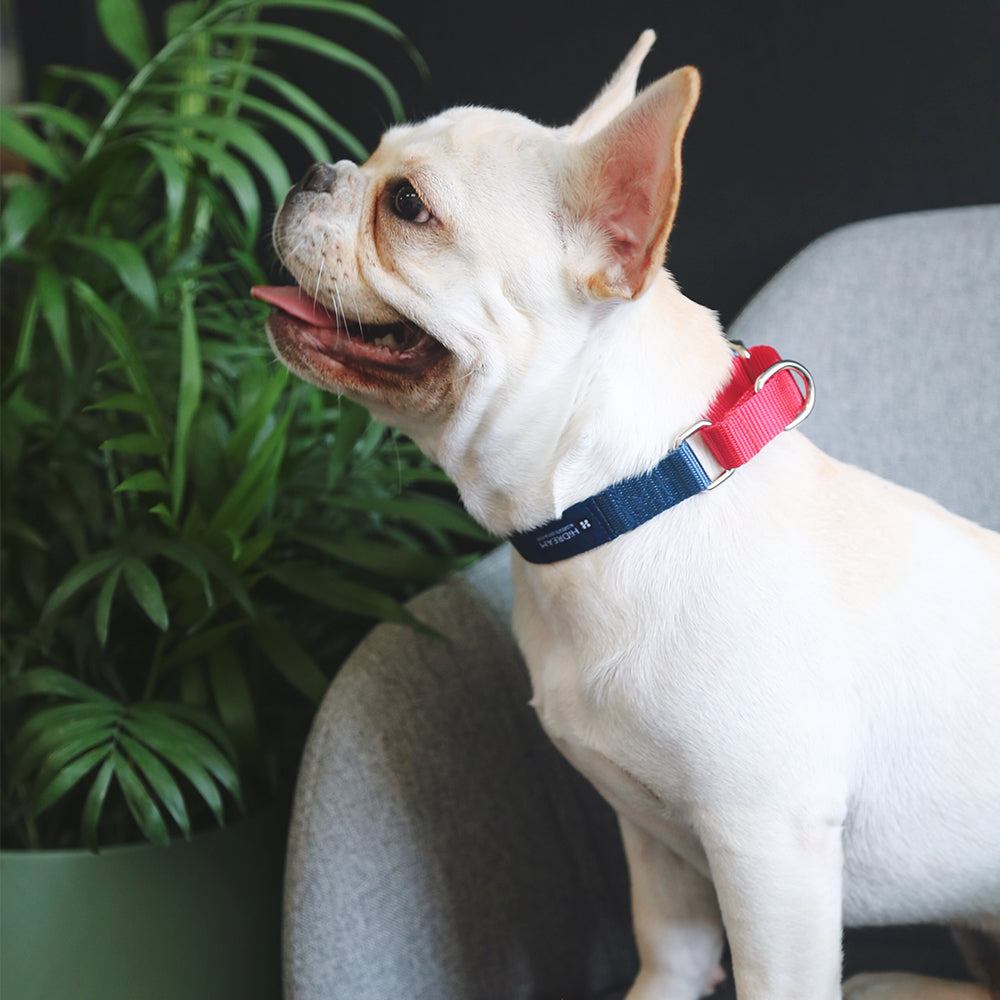
Choosing the right dog collar size isn’t just about looks — it directly affects your dog’s comfort, safety, and behavior. A collar that is too tight can irritate the skin or cause breathing issues. A loose collar can lead to escape or lost ID tags.
Whether you are buying a puppy's first collar or updating an adult dog's gear, this guide will help you. The guide will show you how to measure correctly, avoid common mistakes, and choose the best fit for your pet.
🐾 Why Dog Collar Size Matters
A properly fitted collar:
✔ Keeps your dog safe and secure
✔ Prevents choking, hair loss, and skin irritation
✔ Holds ID tags properly
✔ Reduces slipping or escape risk
✔ Improves comfort during daily wear
Dogs wear collars for long hours — fit truly matters.
📏 Step 1: Measure Your Dog’s Neck Correctly
✅ What You Need
- Soft measuring tape (or string + ruler)
- Calm dog standing naturally
✅ How to Measure
- Wrap the tape around the base of your dog’s neck (where the collar sits).
- Make sure the tape is snug but not tight.
- Add 1–2 inches (2–5 cm) for comfort and movement.
- Record the measurement.
👉 This is your dog’s ideal collar size range.
✋ Step 2: Use the Two-Finger Rule
Once the collar is on:
- You should comfortably fit two fingers between the collar and your dog’s neck.
- If you can’t fit two fingers → too tight.
- If the collar slides easily over the head → too loose.

📊 Step 3: Collar Size Chart (General Guide)
| Dog Size | Neck Size (inches) | Typical Collar Size |
|---|---|---|
| Puppy / Toy | 8–12” | XS / Small |
| Small Dog | 10–14” | Small |
| Medium Dog | 14–18” | Medium |
| Large Dog | 18–22” | Large |
| Extra Large | 22–26” | XL |
⚠️ Always check each brand’s sizing chart — sizing varies.
🐕 Step 4: Consider Breed, Coat & Growth
🐶 Puppies
- Grow quickly — choose adjustable collars.
- Re-measure every 1–2 months.
🐕 Long-Haired Dogs
- Leave slightly more room to avoid matting.
- Check under fur for irritation.
🦮 Strong Pullers
- Consider harnesses for walks but still use collars for ID.
🧲 Step 5: Choose Lightweight, Comfortable Accessories
Heavy tags or bulky accessories can strain your dog’s neck — especially for small breeds.
Look for:
✔ Lightweight materials
✔ Smooth edges
✔ Quiet (no jingling)
✔ Waterproof durability
🏷️ Bonus Safety Tip: Always Attach a Visible ID Tag
Even perfectly fitted collars should always include an ID tag.
A smart option is the DISONTAG QR Pet ID Tag:
- 📲 Instant scan with any smartphone
- 🔗 Editable digital pet profile
- 📍 Scan location alerts
- 💧 Waterproof & scratch-resistant
- 🔇 Quiet & lightweight
- 🌎 No app or subscription required
If your dog slips out of their collar or gets lost on a walk, this gives finders immediate access to your contact info.
👉 Upgrade Your Dog’s Collar Safety with DISONTAG
🚫 Common Collar Sizing Mistakes to Avoid
❌ Guessing size without measuring
❌ Buying non-adjustable collars
❌ Leaving collars too loose
❌ Ignoring puppy growth
❌ Using worn-out collars
❌ Overloading with heavy tags
🐾 Final Thoughts
The right collar size keeps your dog comfortable, secure, and safe every day. Measuring correctly and choosing lightweight accessories can help your health and happiness. It only takes a few minutes to do this.
A well-fitted collar and a smart ID solution, like DISONTAG QR Pet ID Tags, keep your dog safe wherever you go.
Happy measuring — and happy walking! 🐕✨